
In anticipation of your Colorado rafting experience, you may be wondering what leads to a spectacular whitewater adventure. The  truth is there are several factors that contribute to the river trip of a lifetime. Personally, you can make the choices on where you go, who you travel with, the level of whitewater that you plan to conquer, and the duration of your stay in beautiful Colorado. While all of these attributes contribute immensely to your overall experience, there are natural factors that also enhance your river vacation. Perhaps the biggest natural factor aiding in a river trip of a lifetime is the previous winter season’s snowpack in the mountainous regions surrounding the river you plan to run.
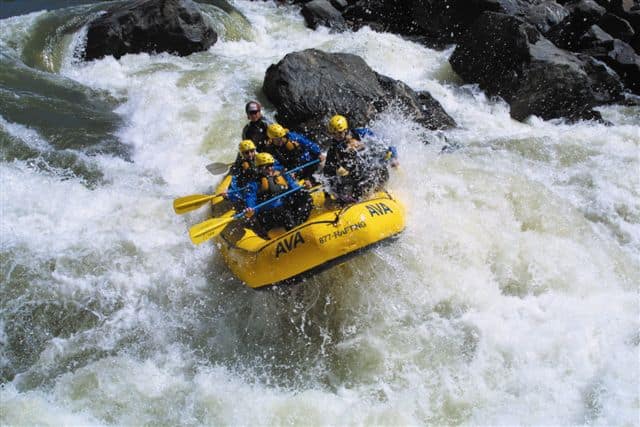 So what is snowpack, and what does it mean for whitewater rafting?
Snowpack is quite simply the amount of snow that has fallen and settled in the mountainous regions that the rivers we enjoy in the spring and summer months flow through and around. As the seasons change from winter to spring to summer and the average climate of the Colorado region increases in temperature, the snow on the mountains begins to melt and flow into the many runoffs that fuel our creeks and rivers. This runoff water from the snowpack is the lifeblood of the rafting industry, and it is easy to make the correlation; the larger the snowpack, the better the rafting season. 
This connection is easy to make because the flows released by the snowpack affect the timing that the creeks and rivers are running, the magnitude of the whitewater produced, and the duration of the whitewater season. If the snowpack is small, when the temperature increases there is less snow to feed the tributaries, and the river season peaks earlier than normal with lower water levels. Conversely, in years with a larger than average snowpack, there is more snow melt to fuel the rivers, and the peak season becomes extended. Also, with more snow and water in the creek beds the water level becomes higher, increasing the thrill of being on the water and in turn your whitewater experience.


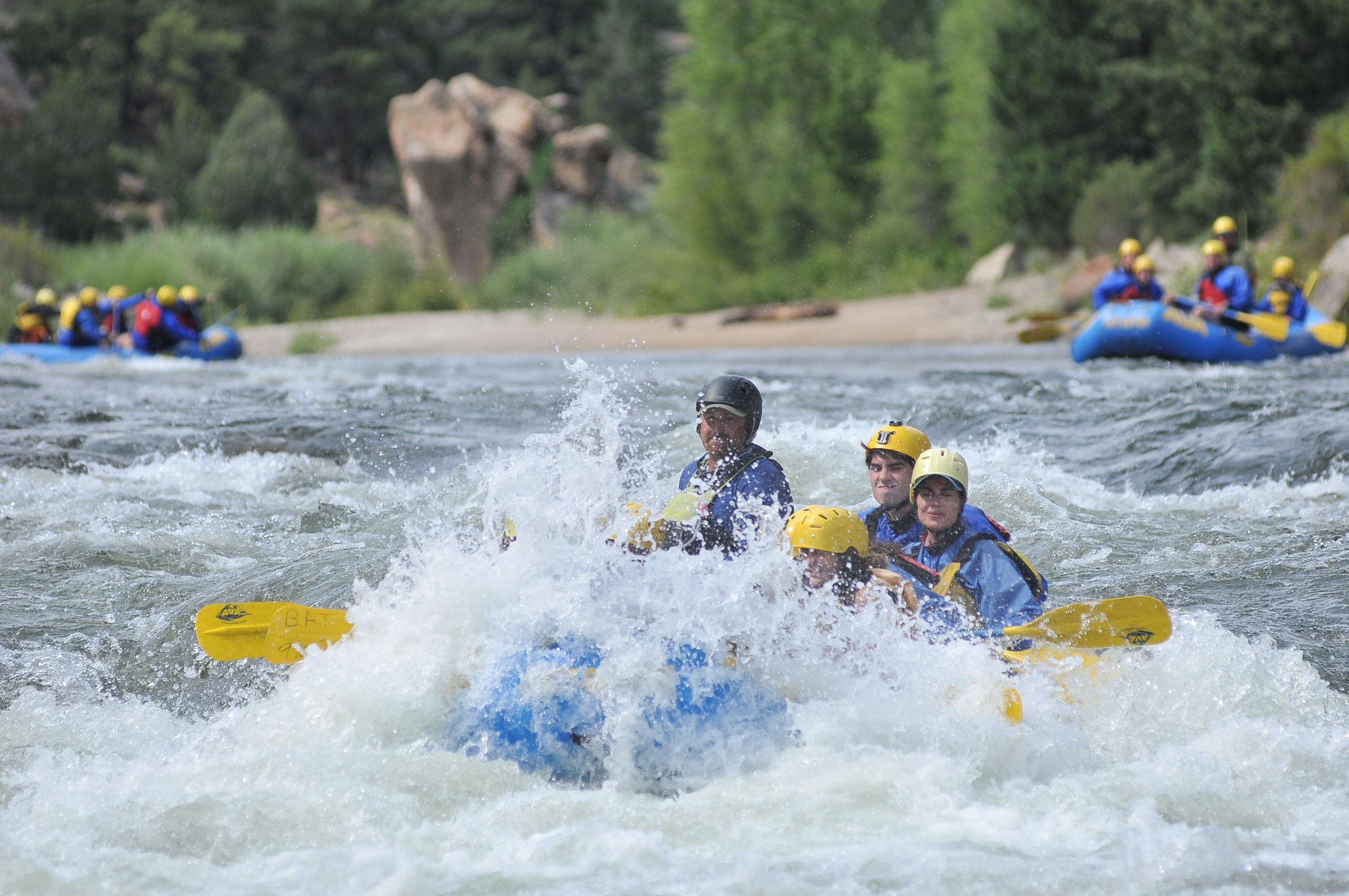 So, what does this all mean for the 2014 rafting season in Colorado? It’s going to be EPIC! Snow pack has been FAR above average for the past two months, and AVA is looking forward to an amazing record breaking 2014 rafting season. Take advantage of our early bird discounts and book before February 21st to receive half off rafting when you book a rafting and zipline package at our Granite Outpost, or 20% off all full day and overnight rafting trips.